





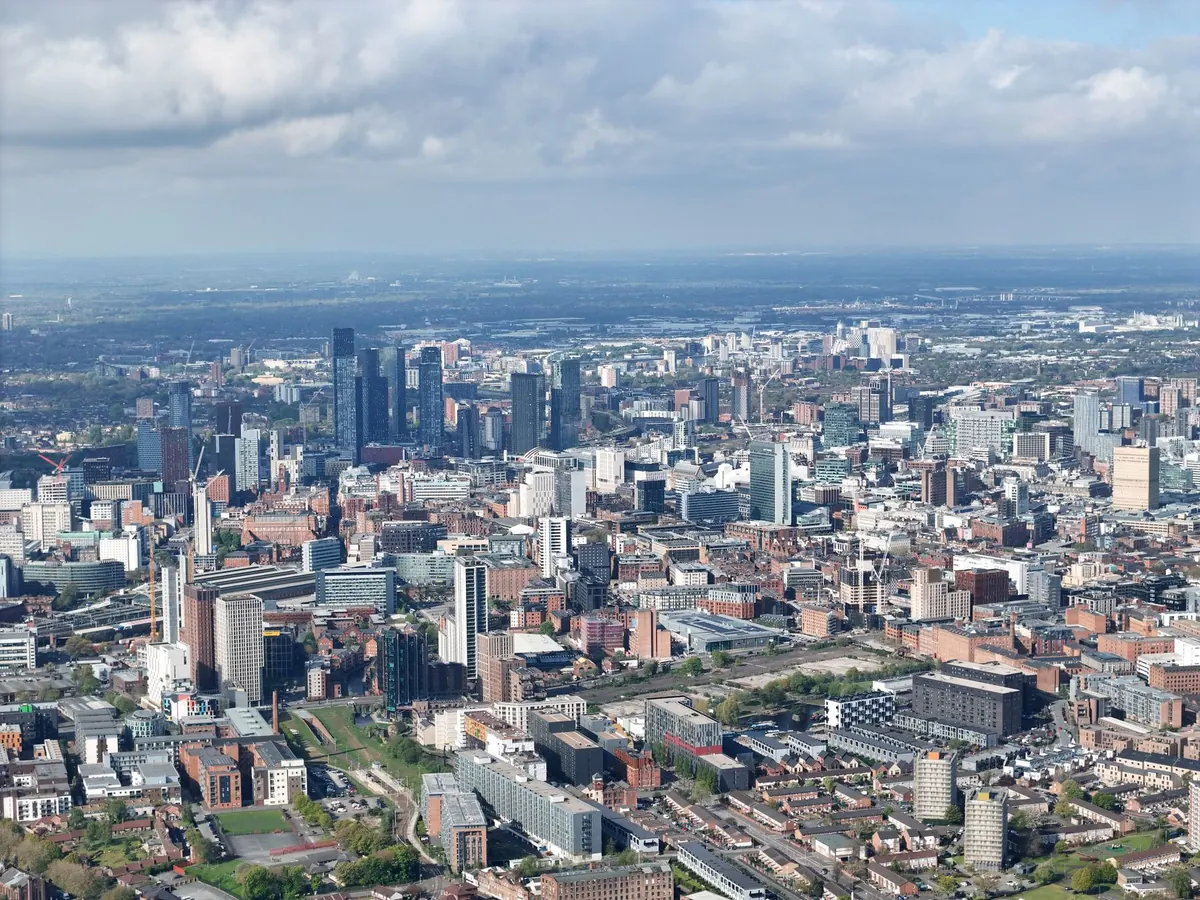
Every spring, the same question turns up in graduate group chats: take the room in Manchester, or the sofa in London? Both cities can give you a creative career, and they charge very different prices for it. The honest answer is that the right move depends less on the city than on the specific rooms you can get into, the work you want to be paid for, and how long you can afford to wait for it.
Start with the money, because it decides everything else
London is more expensive in every direction: rent, deposits, transport, a pint, and the cost of saying yes to a low-paid opportunity in Zone 2. Manchester is not cheap any more, particularly in Ancoats, the Northern Quarter and the parts of Salford within walking distance of MediaCityUK, but a shared house there still leaves more of your pay in your pocket.
That gap matters more than it sounds. A lower rent buys unpaid time — the hours you need to build a portfolio, take a short course, or shoot something on a Saturday. In London, the same person often takes a second job to cover the difference, and the portfolio stalls. Before you compare scenes, compare the numbers that will govern your week:
- Deposit, first month's rent, and any agency or referencing fees
- Monthly travel — check current Transport for London and Transport for Greater Manchester fares for the zones you'd realistically use
- Commute time, which is unpaid and does not come back
- Studio, desk or rehearsal space, even if it's a hot-desk you share
- The cost of travelling to the other city for meetings, shoots and interviews
If money is tight, this is a budgeting decision as much as a creative one. For anything involving contracts, tax or visas, speak to a qualified adviser rather than a friend who "knows about this stuff".
London: scale, churn and the price of being in the room
London's advantage is volume. More agencies, more publishers, more labels, more broadcasters, more galleries and theatres than anywhere else in the country, and a freelance culture where a job can land on Thursday for a Monday start. Post-production houses cluster around Soho. Fashion, film and much of the music business sit east and north. Advertising spreads from Fitzrovia to King's Cross and out beyond Shoreditch.
Being physically present still counts. Castings, cover shifts, last-minute crew calls and gallery private views all reward people who can be somewhere within the hour. But entry-level competition is brutal, and the informal networks that hand out the good work can feel closed until you've done a couple of years of small, badly paid jobs.
Manchester: a smaller scene that lets you in sooner
Manchester's advantage is access. MediaCityUK in Salford puts major broadcasters and production companies a tram ride from the city centre, so there is genuine production work rather than only supporting roles. The Northern Quarter and Ancoats are full of small studios and independent brands. Aviva Studios, HOME, Contact, the Whitworth and Manchester Museum give the visual and performing arts real weight, and Stockport's old town has quietly become somewhere small creative businesses can afford to start.
The trade-off is the ceiling. There are fewer large agencies, fewer commissioning editors based locally and smaller budgets at the top end. You may find yourself on a train to London for the meeting that decides your year. The upside: in a smaller network, three good conversations can lead to paid work, and you're likelier to be handed responsibility before you feel ready for it.
Where the work actually is
Advertising, design and branding
London wins on the number of agencies and the size of the accounts. Manchester has a solid independent studio scene, strong in-house teams, and steady work flowing from media, retail and sport.
Film, TV and audio
Both cities produce. London holds the post houses, the commissioning and the commercials; Manchester and Salford hold studios, continuing drama and a growing factual and audio base. If you want to be on set, follow the studios. If you want to commission, follow the channels.
Music and live events
Manchester's venue and promoter culture is deep and unusually welcoming to newcomers. London has the labels, publishers and touring infrastructure. Plenty of people do both, gigging north and meeting south.
Museums, theatre and visual arts
London offers more institutions and more short-term contracts. Manchester offers longer-running roles in a smaller pool, plus the chance to help shape a programme rather than assist on one.
The scene test: four questions before you commit
- Can you name six people or organisations in your field within an hour of the flat you're considering?
- Are there at least three employers or clients who regularly hire at your level?
- Is there a room — a co-working space, a club night, a studio, a crit group — you'd go to anyway, without a reason?
- Can you afford three months of quiet work while things build?
If the answer to the last question is no in London and yes in Manchester, that isn't a compromise. It's a decision about which city gets to see your best work.
Try it for a season first
Sublet, house-sit or take a short contract before you sign a year's lease. Spend a fortnight in the city you're leaning towards, but treat it as work: go to two events, ask three people for coffee, and check what a room actually costs on the day you're there. The train between the two takes a little over two hours, so a monthly trip is entirely workable — and a railcard is cheaper than a mistake.
Making the call
Choose London if your work depends on proximity to commissioning, a dense freelance market, or a sector that only really exists there. Choose Manchester if you need to be able to afford to make things, and you'd rather be one of twenty people in a room than one of two hundred. Then give whichever city you pick twelve months, one clear portfolio goal and a fixed date to review it. A creative career is built by the work you finish, not the postcode you finish it in — but the postcode decides how much time you get to finish it.
Photo: Mylo Kaye / Pexels